
CARD SHARKS — Credit Card Fraud In The Digital Age
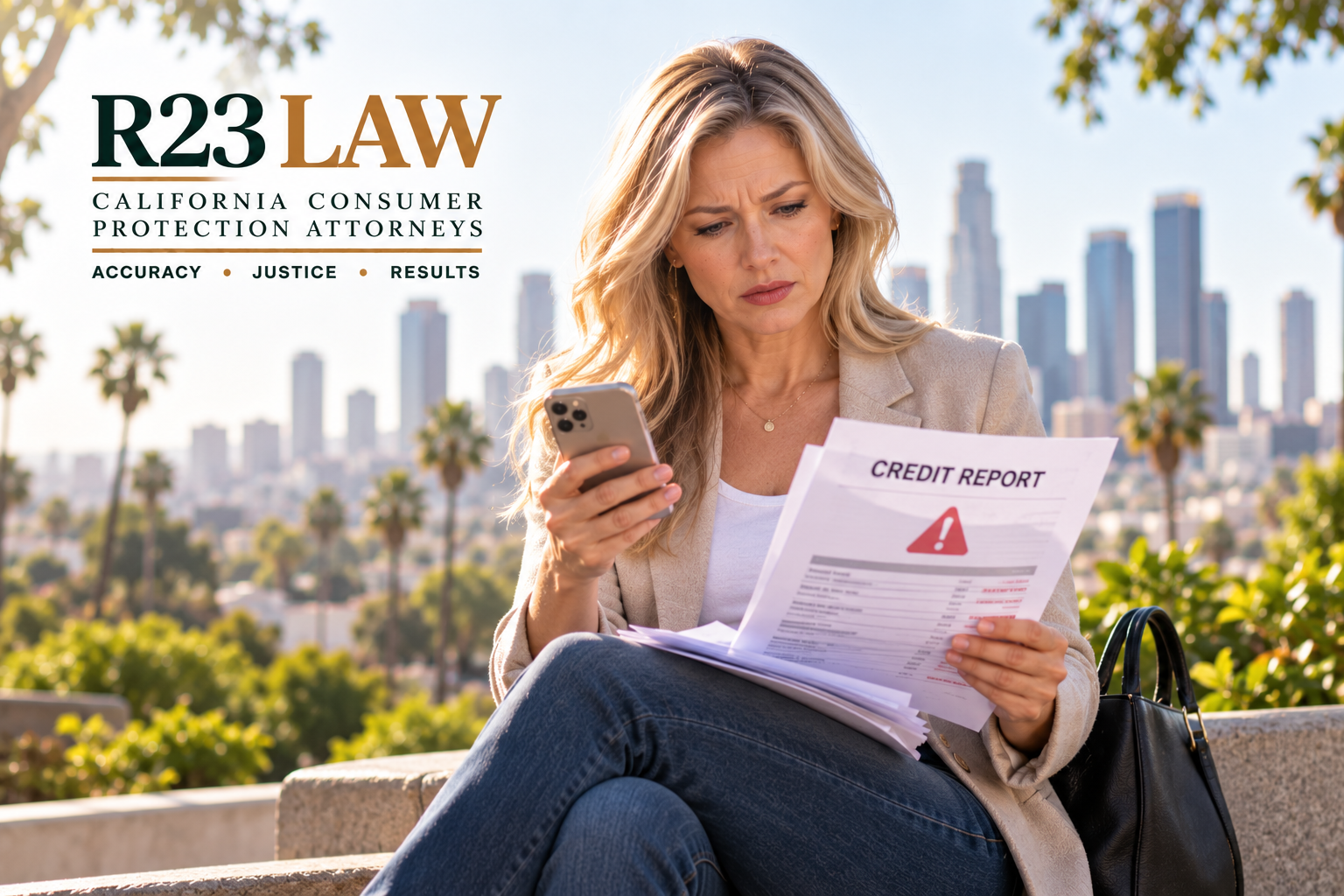
Credit cards make everyday transactions easier, but the same technology that makes payments convenient can create opportunities for fraud
Online shopping, mobile banking, digital wallets, and stored payment information have expanded the number of places where sensitive financial information may exist. Fraudsters may obtain that information through data breaches, phishing scams, compromised networks, physical theft, or card-skimming devices.
Consumers may not immediately realize that their information has been compromised.
Sometimes the first sign is a small unauthorized transaction. Other times, it is a debt collection notice, an unexpected credit score change, or notification of an account the consumer never opened.
Recognizing those warning signs early can be critical to limiting the damage.
DIGITAL CONVENIENCE CAN CREATE NEW FRAUD OPPORTUNITIES
Credit card fraud can begin long before an unauthorized transaction appears on a statement.
The source identifies several ways consumer payment information may become compromised, including retail and medical data breaches, phishing scams, online marketplace fraud, public Wi-Fi interception, and ATM skimming devices.
The consumer may have done nothing obviously unusual.
A legitimate company storing payment information may experience a breach. A convincing message may imitate a bank. A card reader may secretly contain a skimming device.
Once financial information is exposed, fraudsters may attempt to use or sell it.
PHISHING SCAMS ARE BUILT TO LOOK LEGITIMATE
Phishing relies on deception rather than physically stealing a credit card.
A fraudster may impersonate a bank, credit card company, or other legitimate business and send a message designed to create urgency.
The source gives the example of a text that appears to come from a credit card issuer warning about an unauthorized transaction and directing the consumer to a login link. Instead of reaching the legitimate account, entering credentials may provide sensitive information to the thief. Consumers should therefore be cautious about unexpected links requesting account credentials or payment information.
DATA BREACHES CAN EXPOSE STORED PAYMENT INFORMATION
Credit card fraud can also begin with a data breach.
Businesses and organizations may store payment information in databases. If unauthorized users gain access to those systems, consumer information can potentially be stolen and later used or sold.
The attached source specifically discusses information supplied to online retailers, government websites, and medical portals as examples of data that may become exposed when systems are compromised.
This means consumers can become victims even when they originally provided their payment information for a legitimate transaction.
SKIMMING STEALS INFORMATION AT THE CARD READER
Some credit card fraud still begins in the physical world.
Skimming involves devices placed on or incorporated into card readers, including terminals at gas stations, retail locations, and ATMs.
When a consumer inserts a card, the device may capture and store the card information for later use or sale.
Consumers should inspect card readers before inserting a card and consider contactless payment when available, as recommended in the source material.
Consumers entering a PIN should also be mindful of shoulder surfing — someone nearby attempting to observe sensitive information as it is entered.
ACCOUNT TAKEOVERS CAN TURN STOLEN PASSWORDS INTO FRAUD
Credit card fraud does not always require stealing the physical card.
The source identifies online account takeovers through password theft as another common fraud scheme. What Should I Know About Credit…
Once a fraudster gains access to an online account, the thief may be able to obtain or misuse stored information.
Strong passwords and multi-factor authentication can provide additional layers of protection.
Consumers may also consider using a password manager to maintain strong credentials rather than repeatedly using the same password across multiple accounts.
SMALL TRANSACTIONS CAN BE A BIG WARNING SIGN
Fraud does not always begin with a large purchase.
The source identifies suspicious transactions and small test purchases as potential warning signs. A thief may attempt a smaller transaction before moving on to larger fraudulent purchases.
Other warning signs identified in the source include:
Suspicious credit card statement activity
Denied purchases despite available credit
Missing billing statements
Unexpected account notifications
Debt collection calls
Login notifications from unfamiliar devices or locations
Consumers should take unexpected account activity seriously, even when the amount involved initially appears insignificant.
CREDIT CARD FRAUD CAN ESCALATE QUICKLY
Unaddressed fraud can grow into a larger financial problem.
According to the attached source, thieves may max out credit limits, open additional accounts, damage credit scores, create credit reporting errors, and trigger debt collection activity. At that point, the problem may extend well beyond the original unauthorized charge.
The consumer may be forced to address fraudulent accounts, inaccurate credit reporting, or collection attempts involving debts they did not create.
That makes early detection and documentation particularly important.
TRANSACTION ALERTS CAN PROVIDE AN EARLY WARNING
One straightforward security measure is enabling transaction or purchase alerts.
Consumers may be able to configure their card issuer to send automatic notifications when transactions occur or when purchases exceed a specified amount.
That can reduce the time between an unauthorized transaction and its discovery.
The sooner suspicious activity is identified, the sooner a consumer can begin addressing the compromised account.
PROTECT ACCOUNTS WITH MULTI-FACTOR AUTHENTICATION
The source also recommends multi-factor authentication for financial and online accounts. What Should I Know About Credit…
Multi-factor authentication requires an additional verification step beyond a password.
That added protection can make an account more difficult to access when login credentials have been stolen.
Consumers should also avoid clicking suspicious email or text-message links requesting account information.
THINK TWICE BEFORE SAVING CREDIT CARD INFORMATION ONLINE
Saving payment information with an online retailer can make the next purchase faster.
It also means another system may be storing the consumer's card information.
The source recommends declining to store credit card information for future transactions where possible. When a website does not provide that option during checkout, consumers may consider manually removing stored payment information afterward.
Reducing the number of places where payment information is stored may reduce exposure if an online account or database is later compromised.
PUBLIC WI-FI AND PAYMENT INFORMATION CAN BE A RISKY COMBINATION
The source also recommends avoiding purchases over public Wi-Fi networks. What Should I Know About Credit…
Consumers handling financial information should be mindful of the network they are using, particularly when logging into banking or payment accounts.
Convenience should not come at the expense of financial account security.
CREDIT MONITORING CAN REVEAL FRAUD BEYOND THE CARD
Credit card fraud may eventually become an identity theft or credit reporting problem.
A thief who obtains enough personal information may attempt to open new accounts in the victim's name.
That is why the source recommends regularly monitoring credit and identifies a credit freeze as an action consumers may consider when they believe they have become victims of credit card fraud. What Should I Know About Credit…
Monitoring credit reports can reveal suspicious accounts or information that might otherwise remain unnoticed.
R23 LAW'S EXPERT LEGAL SERVICES FOR CREDIT CARD FRAUD VICTIMS THROUGHOUT CALIFORNIA
R23 Law's California Consumer Protection Attorneys represent consumers dealing with credit card fraud and the financial and credit reporting problems that can follow.
A fraudulent transaction can become a larger consumer protection issue when unauthorized charges remain unresolved, fraudulent accounts appear on credit reports, or consumers face collection activity involving debts they did not authorize.
R23 Law handles matters involving:
Unauthorized credit card charges
Credit card identity theft
Fraudulent accounts
Phishing-related financial fraud
Account takeover fraud
Credit reporting errors resulting from fraud
Collection activity involving fraudulent debt
Identity theft-related credit damage
Consumer disputes involving fraudulent financial activity
FRAUD MOVES FAST — DETECTION SHOULD MOVE FASTER
Credit card fraud can begin with a stolen password, compromised database, convincing phishing message, or altered card reader.
The warning signs may be subtle.
A small transaction. A strange login notification. A missing statement. An unfamiliar account.
Consumers who regularly monitor their financial accounts and credit information may be better positioned to recognize suspicious activity before it creates larger financial consequences.
Enable transaction alerts. Use strong passwords and multi-factor authentication. Inspect card readers. Be cautious with suspicious messages. Avoid financial transactions on public Wi-Fi. Monitor credit activity.
When something does not belong, investigate it.
Contact R23 Law Today
Credit card fraud can create consequences extending beyond an unauthorized transaction. Fraudulent activity may lead to identity theft, inaccurate credit reporting, collection attempts, and lasting financial problems.
When credit card fraud develops into a larger consumer protection dispute, R23 Law's California Consumer Protection Attorneys can evaluate the circumstances and applicable consumer rights.
Toll-Free: 310-598-1588
SoCal: (310) 598-1588
Email: info@R23Law.com
Website: www.R23Law.com
Address: US Bank Tower, 633 W. 5th Street, 26th Floor, Los Angeles, CA
© 2025 R23 Law. All rights reserved. Trusted consumer credit lawyers in Los Angeles.
