
NEW COUNTRY, SAME SCAMMERS — What Immigrants in California Should Know About Identity Theft
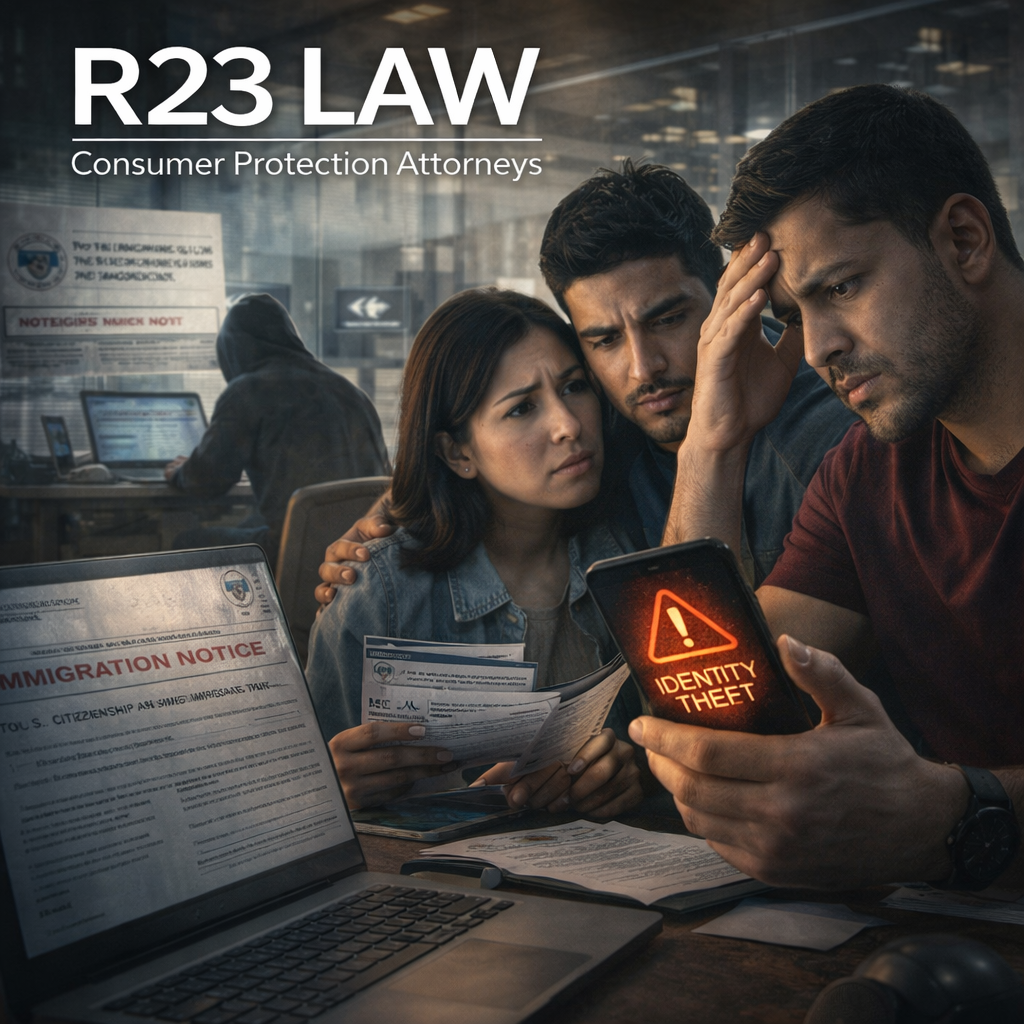
Starting life in a new country comes with enough challenges already
Between finding work, securing housing, managing immigration paperwork, and adjusting to unfamiliar systems, immigrants in California often have a great deal on their plates. Unfortunately, that reality can also make them attractive targets for identity thieves.
Identity theft can affect anyone, but some consumers face heightened risks because of the amount of sensitive information they must share and the types of scams designed to exploit uncertainty or fear. For immigrants, those risks can include phishing attempts, fake government communications, misuse of visa or tax identification information, and threats tied to immigration status.
When personal information is compromised, the consequences can be serious. Fraudulent accounts, damaged credit, financial losses, and ongoing stress can follow. That is why many consumers turn to R23 Law's California Consumer Protection Attorneys for guidance when identity theft or misuse of personal information creates legal and financial harm.
Why Immigrants May Face a Higher Risk of Identity Theft in California
Identity theft is already a widespread problem, but immigrants may face additional exposure for several reasons.
In many cases, immigrants must provide sensitive information to multiple parties while establishing themselves in the United States. That can include visa information, immigration-related documents, tax records, and ITINs shared with employers, landlords, insurers, or other institutions. The more places that information is stored, the more opportunities there may be for misuse, weak data handling, or exposure in a breach.
There is also a second layer of risk. Someone who is newer to the United States may not always be familiar with the way certain agencies, banks, or businesses actually communicate. Bad actors know that. They may use official-sounding language, urgent deadlines, or threats involving immigration status to pressure someone into handing over personal information or money.
That does not mean immigrants are careless. It means scammers are opportunistic, and they often target people they believe may be less familiar with the warning signs.
Why Sensitive Immigration and Tax Information Can Be So Valuable to Thieves
When identity thieves gain access to personal information, they are often looking for more than just a name and phone number. Immigration-related details, tax identification information, and financial records can all be valuable tools for fraud.
For immigrants in California, that can make routine paperwork feel riskier than it should. A visa number, ITIN, or other personal data provided during employment, housing, or insurance applications may become a target if it is not properly secured. If that information is exposed, it can be used in scams, fraudulent applications, or other forms of identity misuse.
This is one reason identity theft cases often overlap with broader consumer protection concerns. When companies or institutions collect sensitive personal information, they should take reasonable steps to protect it. If they fail to do so, the consumer may be the one left dealing with the fallout.
In those situations, R23 Law's California Consumer Protection Attorneys can help consumers evaluate whether the problem involves not just a scammer, but also a preventable failure to safeguard personal data.
The Scams Many Immigrants Encounter
Some of the most harmful identity theft schemes are built around impersonation.
A scammer may claim to be from a bank, a government office, or an immigration agency and then ask for personal information to verify an account or resolve a supposed problem. They may demand payment, insist there is an urgent issue with immigration paperwork, or threaten arrest or deportation if the person does not comply.
These tactics are designed to create panic and override caution.
One especially troubling example involves fake messages claiming to come from USCIS or other immigration authorities. These communications may request additional information, demand fees, or use intimidation to force immediate action. Consumers should be cautious with any unexpected communication that asks for private information or money, especially when the contact was initiated by the sender.
A safer approach is often to avoid sharing sensitive details through an incoming call, text, email, or message. Instead, verify the request independently using an official website or trusted contact information.
Why Fake USCIS Messages Can Be So Dangerous
Scammers do not need a sophisticated scheme if fear does the work for them.
Messages pretending to come from immigration authorities can be especially effective because they often target one of the most sensitive subjects in a person’s life — legal status in the United States. A fraudulent message may suggest there is a problem with a visa, missing documentation, or unpaid fees. It may even threaten detention, deportation, or criminal consequences unless immediate action is taken.
That kind of pressure can make it harder to pause and verify whether the message is real.
Consumers should be especially skeptical of social media messages, informal chat communications, or aggressive demands for immediate payment tied to immigration matters. Threat-based communication is often a warning sign of fraud, not proof of legitimacy.
When Identity Theft Becomes a Consumer Protection Matter
For many victims, identity theft starts with a scam but does not end there.
A stolen ITIN, compromised financial account, or misused personal record can lead to unauthorized transactions, fraudulent applications, or long-term credit issues. In some cases, the harm may also point back to a business or institution that failed to protect the information it collected.
That is where consumer protection law may come into the picture.
When a company gathers sensitive personal data from consumers, it should not treat privacy and security as an afterthought. If weak safeguards, poor data handling, or improper information practices contributed to the misuse of that data, legal remedies may be available depending on the facts.
R23 Law's California Consumer Protection Attorneys help consumers assess identity theft, data exposure, and related financial harm with a focus on accountability. These cases are not always just about the thief. Sometimes they are also about the systems and businesses that made the theft easier.
What Immigrants in California Can Do To Protect Themselves
Protecting yourself from identity theft often starts with healthy skepticism.
Unexpected requests for private information should be treated carefully, especially when they involve immigration records, banking details, or tax information. Pressure tactics, threats, and demands for immediate payment are common red flags. Verifying the source independently can help prevent a bad situation from getting worse.
It is also important to keep an eye on the broader picture. If you begin receiving suspicious communications, notice unusual account activity, or learn that your information may have been exposed, acting quickly may help reduce the damage. That can include reviewing your accounts, preserving records, and seeking legal guidance when the issue appears connected to fraud, data exposure, or misuse of personal information.
You can learn more about [Our Team](/Our Team) and About R23 Law to see how the firm approaches identity theft and consumer protection matters for clients across California.
Why Consumers Turn to R23 Law's California Consumer Protection Attorneys
Identity theft can feel isolating, especially when the scam touches immigration status, financial security, and personal privacy all at once. Many consumers are not just worried about money. They are worried about what the fraud could mean for their future.
That is why these cases deserve serious legal attention.
R23 Law's California Consumer Protection Attorneys work with consumers facing identity theft, data misuse, and related consumer harm. When sensitive information has been compromised, legal counsel can help determine what happened, whether a business may share responsibility, and what options may exist to pursue relief.
Contact R23 Law Today
If you believe your personal information, immigration records, or financial details were used in an identity theft scam, contact R23 Law's California Consumer Protection Attorneys to discuss your options.
Toll-Free — 310-598-1588
