
WHEN FAMILY BETRAYAL BECOMES A CRIME — Understanding Domestic Identity Theft in California
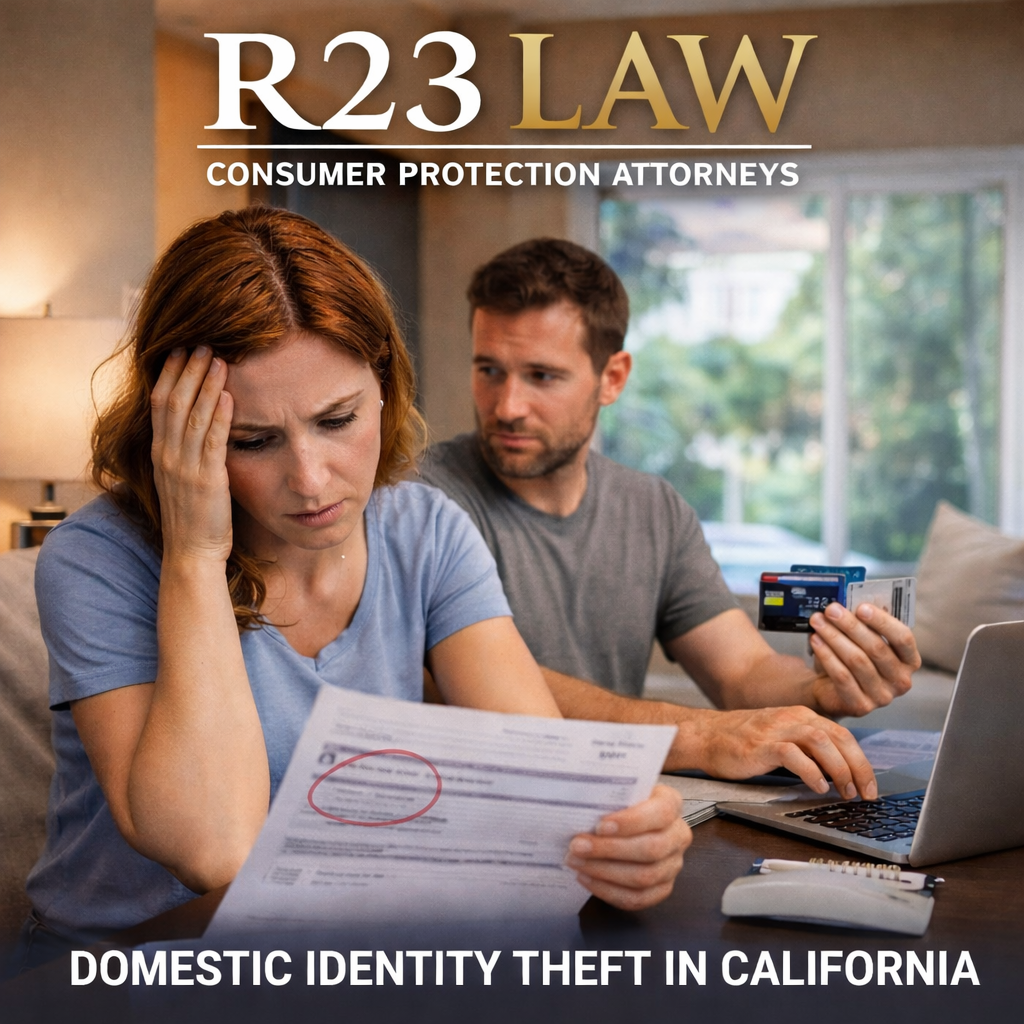
Family Identity Theft Is More Common Than You Think
Most people don’t expect to be victimized by someone they love. But when identity theft happens within your own home, the damage cuts deeper—and often goes unnoticed for longer. Known as “familiar fraud,” family identity theft is a growing issue in California and across the country. Whether it’s a parent, child, sibling, or spouse using your personal information without consent, it’s still identity theft. And it’s still a crime.
At R23 Law, our California Identity Theft Victim Lawyers have represented clients facing exactly this situation. We understand how complicated, painful, and legally challenging these cases can be. You deserve answers, support, and legal protection—even when the theft came from someone you trusted.
How Does Family Identity Theft Happen?
Family identity theft can take many forms, including:
A spouse opening credit cards using your Social Security number
A parent using your credit to open utility accounts
A sibling using your driver’s license for purchases
A child memorizing your card details to make unauthorized transactions
In each case, the personal relationship can make victims feel trapped, ashamed, or unsure of how to act. But the emotional complexity doesn’t erase the legal facts—if someone used your information without permission, you have rights under state and federal law
What the Law Says About Domestic Identity Theft
Under both the Fair Credit Reporting Act (FCRA) and the Fair Debt Collection Practices Act (FDCPA), you are protected—even if the perpetrator is a relative.
These laws give you:
The right to dispute fraudulent accounts
The ability to place a fraud alert or credit freeze on your files
Protection against abusive debt collection linked to identity theft
Legal grounds to seek damages if a company fails to fix the error
California also has robust laws such as the California Identity Theft Act, which provides specific remedies for victims of identity fraud, including injunctive relief and recovery of attorneys’ fees and costs.
If someone in your family has misused your identity, the law does not require you to “forgive and forget”—it empowers you to take action.
What to Do if You’re a Victim of Family Fraud
If you suspect a relative has stolen your identity, R23 Law recommends these key steps:
Place a Fraud Alert – Contact the major credit reporting agencies to add an alert to your file.
Freeze Your Credit – Restrict access to your credit file to prevent additional accounts from being opened.
Request Your Credit Reports – Check for unfamiliar accounts or inquiries.
Dispute Fraudulent Charges – Work with the credit bureaus and affected institutions to remove unauthorized accounts.
File a Police Report – This step may be emotionally difficult, but it’s often necessary to clear your name.
Our R23 Law California Consumer Protection Attorneys can walk you through this process and provide legal representation tailored to your needs and privacy.
Emotional Pain Doesn’t Erase Legal Protection
Family fraud often goes unreported because victims feel torn between protecting their identity and protecting their relationships. But inaction can lead to:
Damaged credit
Denied housing or employment
Harassment by debt collectors
Long-term financial harm
You shouldn’t have to sacrifice your financial future for someone else’s betrayal. R23 Law provides confidential, compassionate legal counsel for clients in these complex and deeply personal cases.
Contact R23 Law Today
If you’ve been the victim of family identity theft, don’t face it alone. R23 Law’s California Identity Theft Victim Lawyers are experienced in handling sensitive domestic fraud cases and fighting for your rights under the law.
📞 Toll-Free: 310-598-1588
📧 Email: info@R23Law.com
🔗 Contact Us
We are ready to listen. We are ready to fight. Let’s take back your name, your credit, and your future.
