
WRONG NAME, REAL DAMAGE — When a Background Check Ruins Your Life
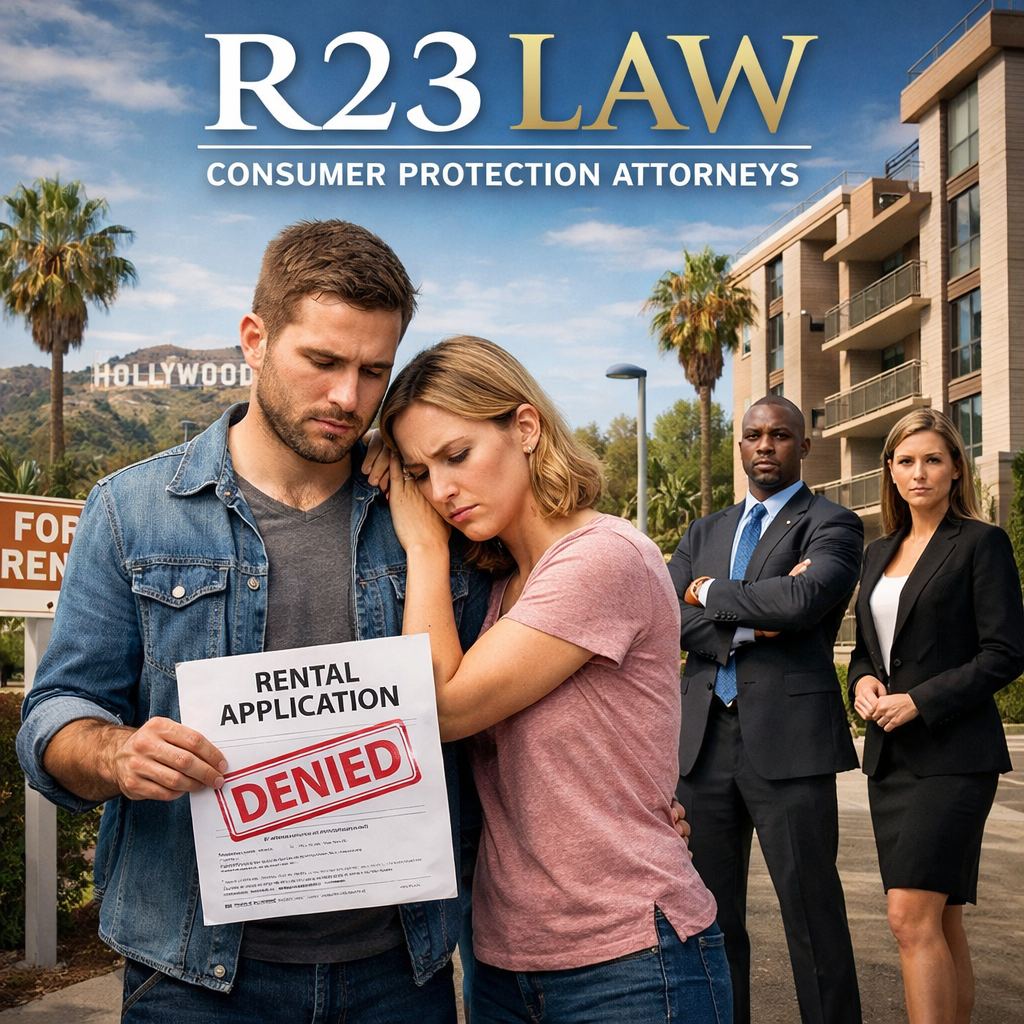
A Move to a New State Shouldn’t Come With a Felony Conviction
Relocating is stressful enough without being wrongfully labeled a violent felon. But for one of our clients, that’s exactly what happened. When they applied for housing, a background check flagged them as having a violent criminal record. The problem? The conviction wasn’t theirs. It wasn’t even close.
A third-party background check company, Resident Verify, matched our client to a completely different person—one with a criminal record, a different middle name, and a past they never lived. This wasn’t a minor clerical error. It was a life-altering mistake that threatened their ability to secure housing, stability, and peace of mind.
Background Check Errors That Cost More Than Just Time
The background check showed a felony conviction for a violent crime:
A crime our client never committed.
A crime committed in a different state.
A crime committed by someone who was incarcerated when our client was applying for housing.
Despite these red flags, Resident Verify did not fix the record. Even court documents showed the actual offender had a middle name our client did not share. Still, the false report was deemed “verified” and reported to the landlord. The result? Housing denied.
One Common Name — One Devastating Mistake
Many background check companies, like Resident Verify, fail to apply reasonable matching standards when verifying identities. Instead of verifying full names, birth dates, or Social Security numbers, they often match solely on first and last names. Our client’s identity was reduced to two names and nothing else.
For consumers with common names, this practice can have devastating results—and as this case shows, it can happen even when the truth is clear.
Fighting for the Right Record
After being denied housing, our client fought to correct the report. Resident Verify ignored the first dispute. Only after a second formal complaint did they finally remove the criminal history. But the emotional damage was done. Our client was left shaken, humiliated, and unsure if it would happen again.
What if a future landlord still sees the original report?
What if this mistake repeats itself?
These are not just legal questions—they’re fears no one should have to live with.
The Law Requires Accuracy—Twice Over
Under the Fair Credit Reporting Act (FCRA), background check companies are legally obligated to:
Use reasonable procedures to ensure maximum possible accuracy
Re-investigate disputes and correct errors in a timely manner
Resident Verify failed both duties. And that’s where R23 Law steps in.
R23 Law’s California Consumer Protection Attorneys Fight Back
At R23 Law, we represent clients who’ve been harmed by inaccurate background checks—especially those involving criminal accusations that don’t belong to them. These errors can cost you housing, jobs, and your reputation. But you are not powerless.
Our R23 Law California Consumer Protection Attorneys know how to hold companies accountable when they violate federal law. Whether it’s a misidentified criminal record, an outdated report, or failure to correct a known mistake, we pursue justice on your behalf.
We’ve helped Californians:
Get corrected background reports
Recover compensation for lost housing opportunities
Secure monetary damages for emotional distress
If a Background Check Says You’re a Felon — and You’re Not — Contact R23 Law
If a company like Resident Verify or any other background check provider has damaged your record with false criminal information, R23 Law is here to take action. We understand the trauma of being mislabeled—and we know how to fight back under the law.
Start by connecting with our team:
📱 (310) 598-1588
📧 Email: info@R23Law.com
Or visit our Contact Us page for a free case consultation.
Your name and reputation are not negotiable. Let R23 Law’sCalifornia Consumer Protection Attorneys help you reclaim both.
